Retro Number One
A Vintage Vibe for Holiday and Seasonal Projects
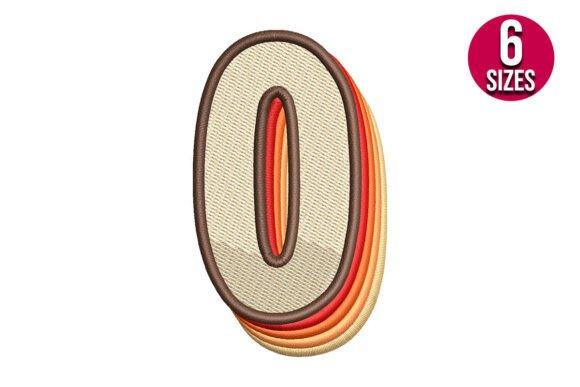
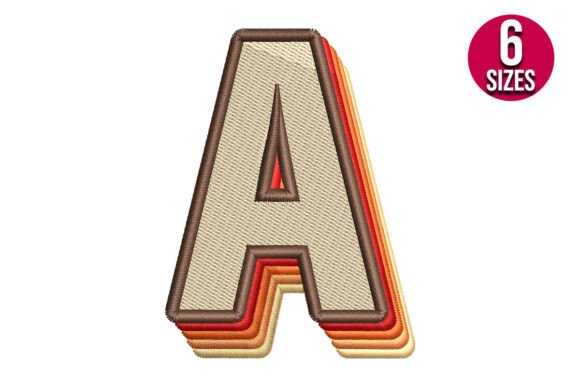
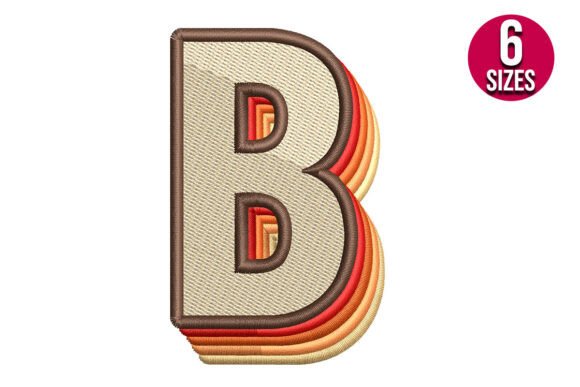
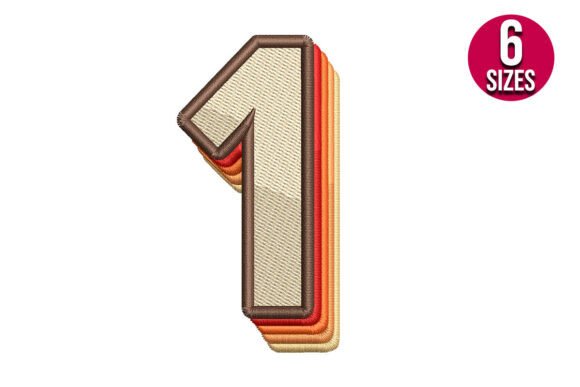
Retro Number One is a design that immediately evokes a sense of nostalgia and charm. Its layered, 3D effect gives it a vintage feel that’s perfect for holiday and seasonal products. As an experienced embroidery designer, I find this design to be versatile enough to work across multiple product types while maintaining its unique character.
Seasonal Mood and Decorative Style
The emotional tone of Retro Number One is warm and inviting, making it ideal for the holiday season. It feels cozy and elegant, with a subtle playfulness that can appeal to a wide range of customers. The retro font style adds a decorative touch that works well with both modern and rustic aesthetics.
This design’s layered structure creates depth and dimension, which is especially effective on fabric textures like cotton and linen. The detail level is sufficient to make a statement without overwhelming the viewer. Whether used on a tote bag or a kitchen towel, Retro Number One brings a vintage charm that stands out in a crowded market.
Practical Use Across Product Types
Retro Number One has a strong potential for use in various seasonal product lines. On sweatshirts, it adds a personal touch that’s perfect for gift bundles. Tote bags with this design can serve as both functional and decorative items, ideal for craft fairs and Etsy listings.
Kitchen towels and pillow covers benefit from the design’s visual impact, making them great choices for home decor. Embroidered patches and aprons also offer opportunities to incorporate Retro Number One into everyday items, enhancing their appeal as handmade gifts.
For family matching items, the design’s simplicity allows for easy customization. Personalized gifts like baby items or table linens can feature Retro Number One to create a cohesive look that resonates with customers looking for thoughtful, handcrafted options.
Considerations for Real-World Use
While Retro Number One is versatile, there are a few areas where it may require careful consideration. Small hoop sizes can pose challenges due to the design’s layered nature. Tiny lettering might not render well on very small surfaces, so testing stitch density and thread colors on both light and dark fabrics is essential.
Thick towels and stretchy garments can affect the design’s appearance, potentially distorting the 3D effect. Using proper stabilizer is crucial to ensure the design remains intact during stitching. Dark fabrics may require more contrast in thread colors to maintain visibility, and metallic threads could add an extra layer of visual interest.
Items that require repeated washing, such as kitchen towels or aprons, should be tested for durability. Ensuring that the design holds up over time is important for customer satisfaction and brand trust.
Seasonal Appeal and Customer Engagement
Retro Number One enhances seasonal appeal by offering a timeless yet trendy option for holiday and celebration products. Its vintage charm aligns well with the nostalgic themes often associated with the holidays, making it a strong contender for limited-time product drops.
The design also supports buyer emotion by creating a sense of warmth and connection. Customers looking for personalized gifts will appreciate the ability to customize items with this design, increasing the perceived value of the finished product.
Visual recognition is key in a competitive market, and Retro Number One’s distinct style helps set products apart. Brand consistency is maintained when using this design across multiple product types, reinforcing a cohesive brand identity that customers can recognize and trust.
Design Tips for Embroidery Sellers
As an embroidery seller, I recommend testing thread colors on both light and dark fabric to ensure optimal visibility. Checking stitch density is also important to prevent overcrowding or sparse stitching, especially on smaller surfaces.
Confirming the correct hoop size is essential for accurate placement and stitching. Using the right stabilizer can make a significant difference in the final result, particularly on delicate or textured fabrics.
Creating realistic mockups and reviewing small details after stitching ensures that the design meets quality standards. Planning matching color palettes can help elevate the overall aesthetic of the product line.
Finally, confirming commercial licensing before selling finished products is a must. This step protects both the seller and the customer, ensuring that the design is used appropriately in a commercial context.
Conclusion
Retro Number One is a valuable addition to any seasonal product collection. Its vintage charm, versatility, and attention to detail make it a strong choice for holiday and celebration projects. With careful planning and execution, this design can enhance product value, customer engagement, and brand consistency throughout the holiday shopping season.