Blush Garden Embroidery
A Delicate Touch for Real Projects
As a designer who’s stitched through countless projects, I’m always on the lookout for embroidery designs that bring both beauty and practicality. Blush Garden Embroidery is one such design that caught my eye with its soft, elegant floral textures. It feels like a whisper of spring, perfect for those who want to infuse their handmade products with a touch of sophistication without overwhelming the piece.
The First Impression
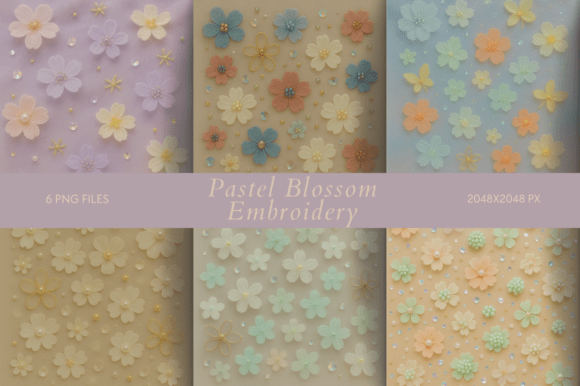
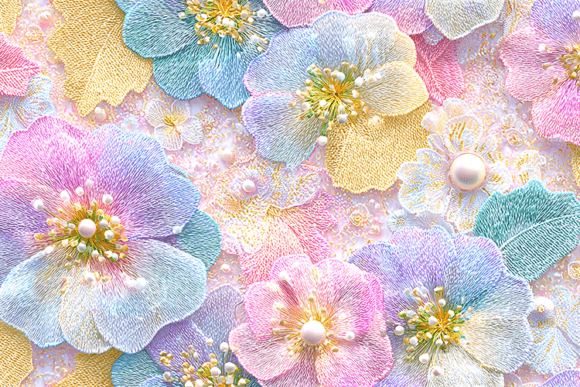
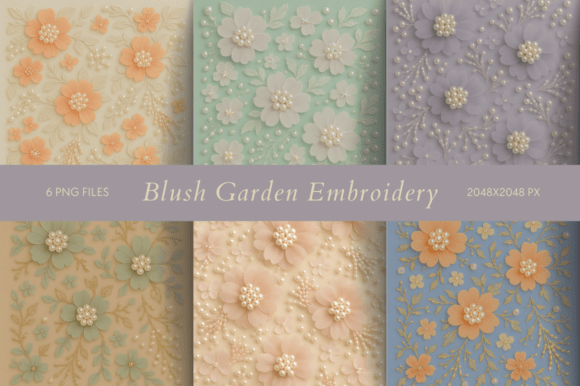
At first glance, Blush Garden Embroidery exudes a sense of calm and refinement. The 3D floral textures are rendered with a level of detail that suggests care and intention. Each of the six seamless backgrounds is designed to be versatile, offering a range of visual personalities from subtle to bold. The organza blooms give the impression of lightness and movement, which can be incredibly appealing in a variety of settings.
What stands out is the balance between intricacy and simplicity. The design doesn’t feel cluttered, yet it carries enough texture to make each stitch count. This makes it ideal for projects where the embroidery should complement rather than dominate the overall look.
Real-World Use Cases
When considering how Blush Garden Embroidery might fit into real-life projects, I immediately thought of custom apparel. A tote bag or sweatshirt would benefit from this design’s gentle charm. Imagine a baby onesie embroidered with a delicate bloom—subtle enough for a nursery but still meaningful as a personalized gift.
It also works well for holiday items like tea towels or pillow covers. The floral motifs have a timeless quality that transcends seasonal trends. For a boutique or Etsy shop, these designs could serve as a signature element across multiple product lines, helping to build brand consistency.
However, it’s important to consider the limitations. Blush Garden Embroidery isn’t suited for small hoop sizes or dense stitch areas. Its intricate details require more space and careful handling. If you’re working with thin or stretchy fabrics, you’ll need to ensure proper stabilizer use to maintain the design’s integrity during stitching.
Design Considerations for Success
Before committing to a project, I recommend testing the design on scrap fabric. This allows you to see how the threads interact with different fabric textures and colors. Thread color contrast is crucial here—lighter threads on dark fabric may not show up as clearly as they do on lighter surfaces.
Stitch density is another factor to consider. While the design is detailed, it’s not overly complex, making it suitable for both beginner and experienced embroiderers. However, if you're using a digital embroidery file, double-check the stitch count and compatibility with your machine. Some features may not translate perfectly unless the file is optimized for your specific setup.
For commercial use, licensing is essential. If you plan to sell finished products or digital files, confirm that the design permits such use. Always review the terms before proceeding, especially if you're an Etsy seller or running a craft business.
Where to Use Carefully
Blush Garden Embroidery is best suited for projects that allow the design to shine without being overshadowed by other elements. That said, there are scenarios where it might not perform as well:
- Small Hoop Sizes: The design’s intricate details may not fit well in smaller hoops, leading to incomplete or distorted results.
- Textured Fabrics: While the design complements fabric texture, it may lose some definition on very textured surfaces.
- Dark Fabric: Testing the design on dark fabric is advisable, as the floral elements may appear muted or less vibrant.
- Curved Surfaces: Items like caps or hats require special attention to ensure the design aligns properly with the curve.
- Highly Detailed Corners: The design’s edges are delicate, so careful placement is necessary to avoid distortion.
- Frequent Washing: If the item will be washed often, consider using a durable stabilizer and high-quality thread to preserve the embroidery’s appearance.
Visual Appeal and Professionalism
Blush Garden Embroidery has the potential to elevate any handmade product. Its subtle elegance adds a layer of sophistication that appeals to both personal and commercial audiences. When used correctly, it can enhance the perceived value of a product, making it more desirable to customers.
From a customer perspective, the design feels trustworthy and well-crafted. It’s the kind of embroidery that makes people pause and appreciate the effort behind the product. Whether it’s a custom sweatshirt or a boutique-branded apron, the design contributes to a cohesive, professional look.
Practical Design Notes
To ensure the best results, I suggest the following steps before using Blush Garden Embroidery:
- Test on Scrap Fabric: Always check how the design looks and performs on a sample before moving to the final product.
- Review Thread Color Contrast: Ensure the chosen thread colors stand out against the intended fabric background.
- Check Stitch Density: Confirm that the design’s stitch density matches your machine’s capabilities and the project’s needs.
- Confirm Hoop Size: Select a hoop that accommodates the design’s scale and complexity.
- Inspect Small Details: Pay close attention to corners, edges, and fine textures to catch any potential issues.
- Test in Black and White Mockups: This helps identify any hidden details that may not render well in certain lighting conditions.
- Use Proper Stabilizer: Choose a stabilizer that supports the fabric type and design complexity.
- Consider Both Personal and Commercial Use: Ensure the design meets the requirements for both private and public projects.
- Confirm Licensing: Verify that the design is licensed for commercial use if you plan to sell finished items or digital files.
Final Thoughts
Blush Garden Embroidery is a thoughtful choice for designers looking to add a touch of elegance to their projects. With its delicate floral textures and seamless backgrounds, it offers versatility and charm that can elevate a wide range of handmade and commercial products. By understanding its strengths and limitations, you can confidently incorporate it into your next embroidery project, knowing it will deliver both aesthetic appeal and practical value.